


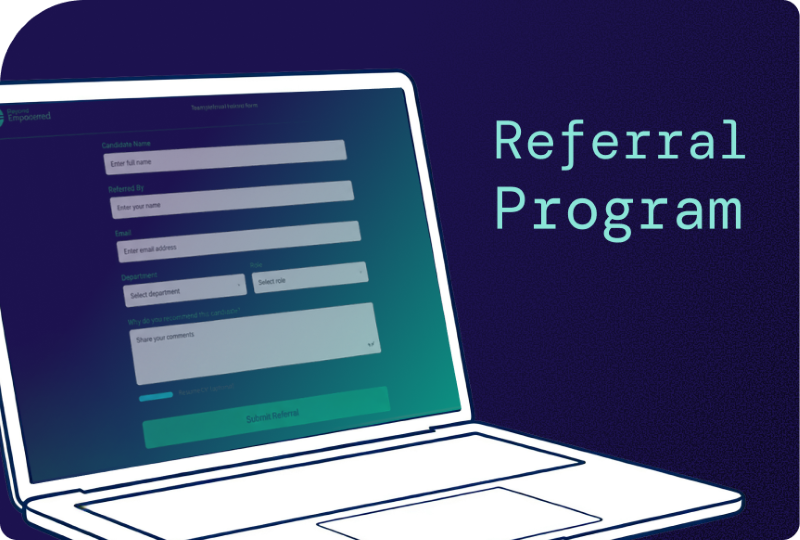
One of the main hiring channels for startups, especially in the early stages, is referrals through existing employees and their networks. This approach makes it possible to hire candidates with prior signals about working with them, and to reach strong candidates even before the startup has built an employer brand or has the resources to invest in hiring efforts.
In this section, we explain how to build an effective employee referral program, how to structure it step by step, how employee incentives are typically designed, and the financial rationale behind this approach.
Why Should Startups Consider an Employee Referral Program?
An employee referral program is designed to encourage employees to recommend qualified candidates for open roles within the company. It helps attract strong talent while strengthening company culture and increasing employee engagement.
Key benefits of an employee referral program include:
- Lower hiring costs.
- Higher engagement around referred candidates: Employees are often more invested in candidates they recommended and tend to act as informal buddies who help them succeed.
- Stronger employee connection to the organization: Referral-based hiring can create a workplace that feels more personal and harder to replace, since people are connected through relationships and feel a strong sense of belonging.
At the same time, it’s important to recognize the potential downsides of referral programs. They often lead to relatively homogeneous hiring in terms of backgrounds and may negatively affect diversity within the company.
What is the economic advantage of an employee referral program compared to using a recruitment agency?
Recruitment agency fees can be significant. In Israel, they often equal one full monthly salary (and 120-150% for management positions), while in other markets they can reach up to 25% of the candidate’s annual salary. Even when offering a referral bonus of $5,000, employee referrals remain far more cost-effective, while also delivering additional benefits like those outlined above.
What are the key steps in an effective referral program?
Most employee referral programs follow a similar structure, with a few core steps that repeat across companies.

Below are the most common steps in employee referral programs:
- The referring employee submits the candidate’s resume to the hiring manager / HR email address or via the internal recruitment system.
- The hiring manager reviews the candidate’s qualifications and updates the referring employee on the status.
- Update the referring employee regarding the hiring status of the referred candidate
- The candidate successfully joins the company
- The referring employee becomes eligible for a referral bonus (subject to the conditions outlined below).
The Bonus
It is common to reward employees with a bonus for a successful hire that comes through their referral. The bonus amount may vary by role. For example, technical or senior positions may qualify for a higher reward. In other companies, the bonus is the same across all roles.
Bonus structures also vary by company. Some offer a cash bonus of 1000$-2000$ USD, while others provide non cash rewards such as a spa or hotel voucher.

Tip
There is also room for more creative incentives. For example, if the company operates in multiple locations, the reward could be a one week visit to an international office that combines workdays with company paid vacation days. This type of reward can be both attractive and help strengthen cross team and cross location connections.
In most cases, the bonus is paid in the payroll cycle following the candidate meeting the eligibility criteria. For example: “A [bonus amount] will be awarded once the referred candidate completes X months of employment” (typically three months).
Who Can Participate and Refer Candidates Through the Program?
All company employees are eligible to participate in the referral program, except:
- HR team members
- Direct hiring managers for the referred role
- VP-level employees and senior management
Why? Employees in these roles are excluded to ensure that referral incentives do not influence their decision-making process.
Common General Terms and Conditions in Employee Referral Programs
- The referred candidate must be new to the company. Former employees or candidates who are already in the recruitment process are not eligible.
- If multiple employees refer the same candidate, the referral bonus will be awarded to the first employee who submitted the referral.
- The company reserves the right to modify or discontinue the referral program at any time.
- If the referring employee leaves the company before the bonus is paid, they will not be eligible to receive the reward.
- Employees may refer an unlimited number of candidates and can earn multiple referral bonuses.
The Key to Success: Regularly Sharing Open Roles and Creating Transparency
Eventually, to maximize team engagement and encourage referrals, open positions should be shared consistently with employees in a friendly way that will enable them to easily share the open positions with their network. In addition, it’s important to provide a clear, transparent policy so employees fully understand the terms and conditions
Our Tips
- It’s very important to update the referring employee, regardless of whether the candidate was a good fit or not. This part is critical for the success of the entire program. When an employee refers a friend and doesn’t receive feedback they are much less likely to make referrals again in the future. The same applies if their referred candidate does not receive a positive or respectful candidate experience.
- This can be done through regular updates on the company website, as well as through monthly email or Slack updates. Include 2-3 lines that will simply explain the team who the relevant candidates are.
- It’s best to include a direct link to the open role and job description, whether from the company website or LinkedIn.
- You can also use tools like Canva to create simple banners or visuals highlighting open positions, making it easier for employees to share them on social media.
Disclaimer: This playbook is provided for general informational purposes only and does not constitute legal advice or create an attorney-client relationship. Employment laws vary by jurisdiction, and founders should consult a qualified employment attorney before acting on any hiring, termination, or other HR decisions discussed here.