Summary
AI’s growing energy demand is creating new opportunities for EnergyTech startups to address critical challenges in power infrastructure, energy storage, and data center efficiency. Lior Handelsman and industry leaders share what it takes to build a successful EnergyTech startup, from breakthrough innovation and competitive differentiation to customer validation and commercial growth.
An EnergyTech startup can develop a solution that’s 10% more efficient than the market leader and still struggle to win customers. In an industry where reliability is critical and switching suppliers carries significant risk, a modest improvement may simply not be worth the gamble.
For Lior Handelsman, Managing Partner at Grove Ventures and Co-Founder of SolarEdge, founders should aim much higher: a solution that’s at least twice as good in a dimension customers genuinely care about.
That challenge is becoming increasingly relevant as AI reshapes the energy market. According to the International Energy Agency, global data center electricity demand is projected to nearly double, from 485 TWh in 2025 to 950 TWh by 2030. The pressure is creating opportunities across energy infrastructure, but capturing them requires far more than identifying a growing market.
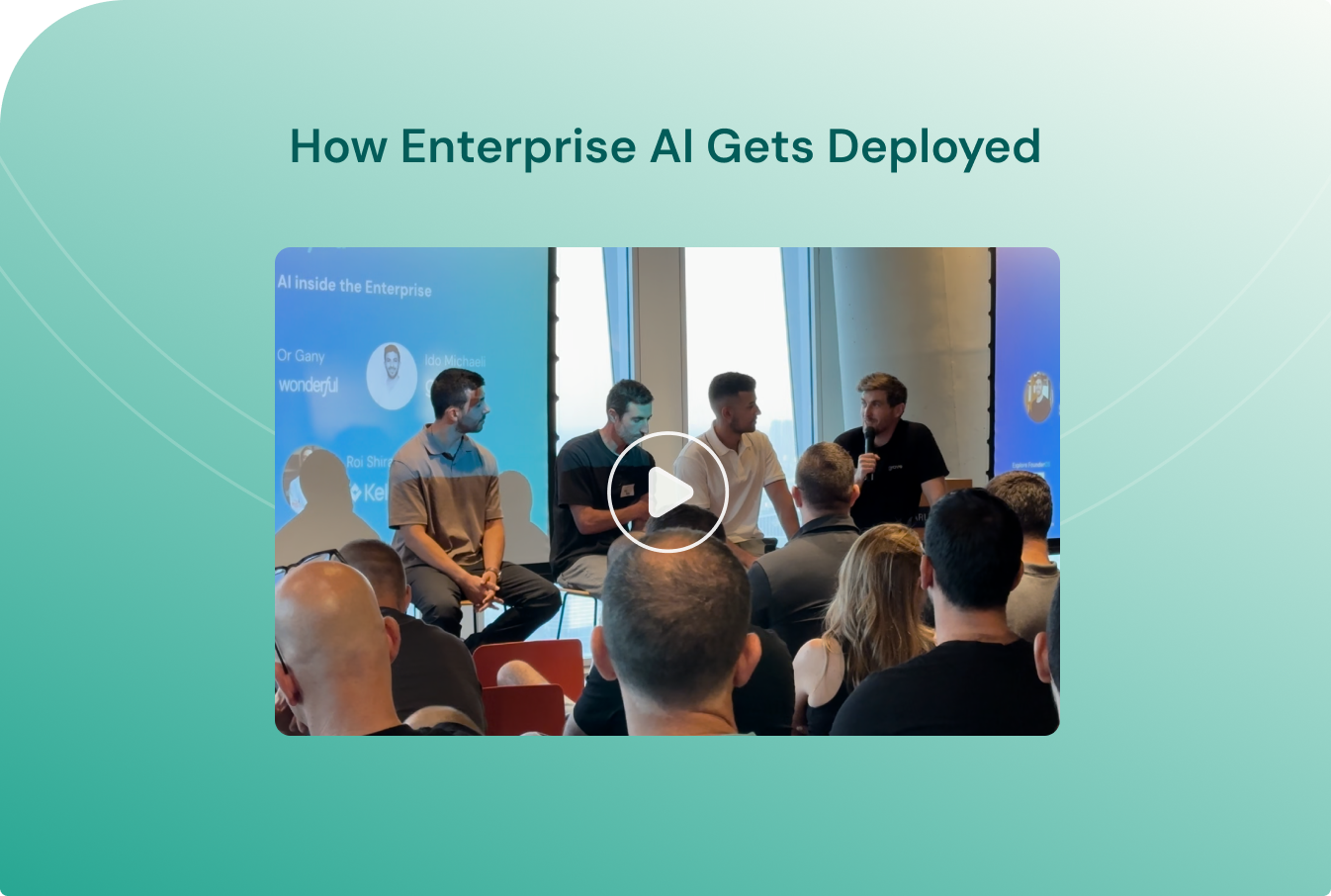
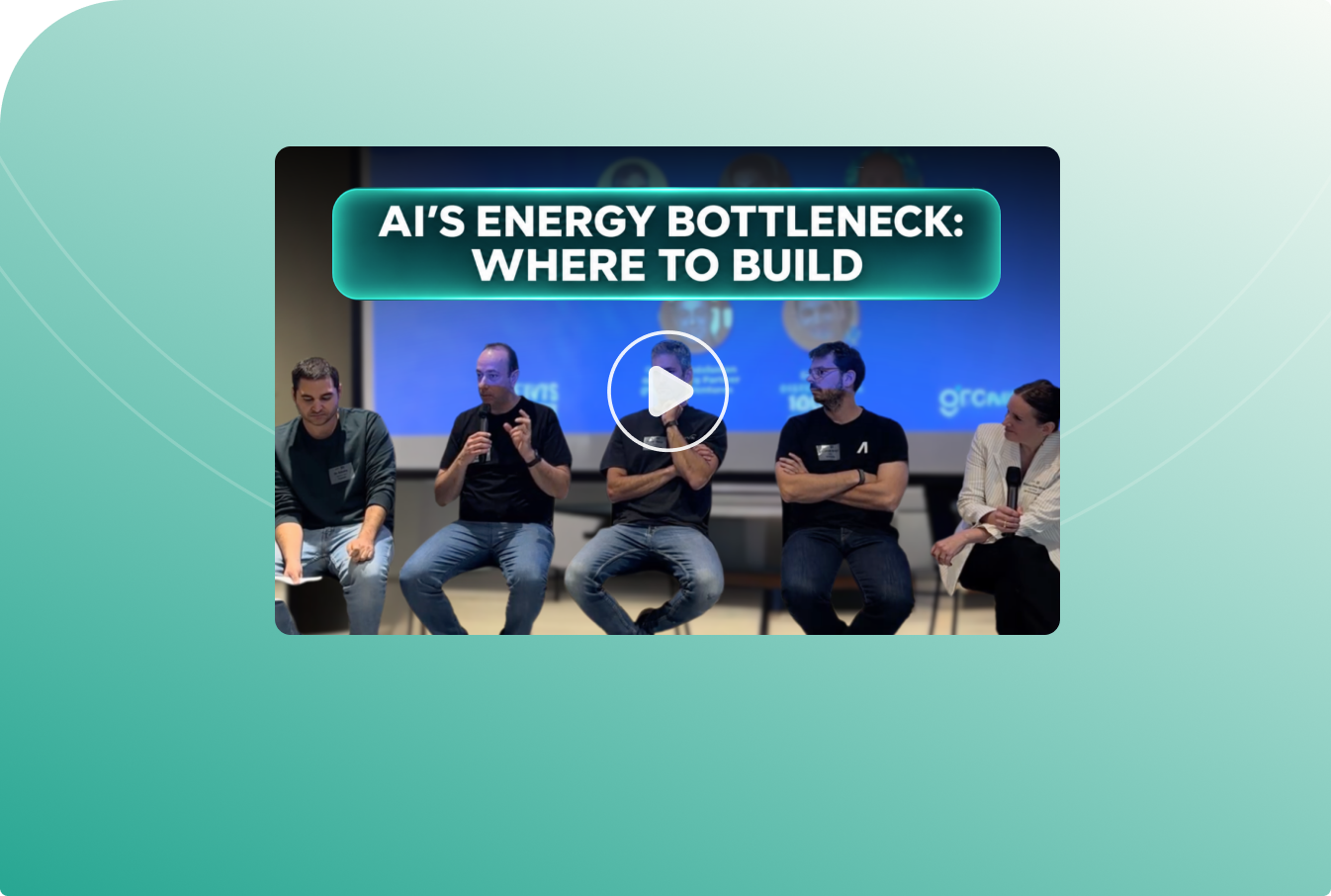
At a recent EnergyTech meetup hosted by Grove Ventures, Lior joined Tomer Timor, Co-Founder & CEO of Grove portfolio company Niv-AI; Moshiel Biton, Co-Founder & CEO of Addionics; and Sharon Erez-Shai, CEO of Salion Energy, for a panel moderated by Or Azulay, Founder of Specks of Light.
Their discussion raised three important questions for founders building the next generation of EnergyTech companies.
Watch the key insights from our EnergyTech panel
Energy companies operate expensive, mission-critical infrastructure. Introducing new technology means accepting potential integration costs, reliability concerns, and operational risks, often while competing against established suppliers with decades of experience.
Lior challenged the assumption that offering a product 10% better than an existing solution is enough to enter this market.
His benchmark is a much more substantial advantage, potentially at least 2x better in the metric that matters most to the customer. That could mean dramatically lower operating costs, greater capacity, or significantly improved efficiency.
Such differentiation can justify the risk of adopting an unfamiliar technology. It also gives startups greater pricing power, allowing them to capture more of the economic value they create instead of competing primarily on manufacturing costs.
Moshiel highlighted another important reality: the energy industry is conservative, and changing established technologies requires overcoming deeply rooted engineering assumptions and operational practices.
For founders, the critical test is whether the improvement is valuable enough to change customer behavior. An impressive technical achievement becomes a business opportunity when its benefits outweigh the risks of adoption.
The growing demand for AI computing is exposing constraints across energy infrastructure. The challenge involves the pace of new electricity generation and grid expansion, alongside changing requirements for how power is delivered and consumed.
The timelines illustrate the problem. According to the IEA, building a data center can take one to three years, while planning, permitting, and constructing new grid infrastructure can take five to fifteen.
Lior highlighted three areas where changing computing requirements are creating opportunities:
One particularly interesting implication Lior raised is that access to electricity can sometimes become more economically valuable when used to operate computing infrastructure than when sold directly as power.
These shifts are creating new opportunities at the intersection of computing and electricity, where technical constraints increasingly influence both infrastructure design and business models.
EnergyTech has historically been characterized by a difficult financing gap. Startups could raise initial capital, but developing and deploying a working industrial system often required years of engineering and substantial additional investment before meaningful revenue became possible.
According to Lior, this dynamic is changing. The urgency of certain energy infrastructure problems is attracting larger investments, while AI-assisted research and development can accelerate parts of the engineering process.
The commercial expectations are also rising. Investors increasingly want evidence of customer demand before the technology is fully developed or deployed.
Sharon shared how more than 200 conversations with prospective customers helped identify where her company’s technology could create the greatest value. Such conversations are particularly important in energy markets, where technical requirements, purchasing decisions, and adoption timelines can vary significantly between customers.
For early-stage founders, meaningful commercial validation can include:
The growth expectations can be equally demanding.
Lior argued that venture-backed EnergyTech companies should be capable of pursuing the kind of rapid growth associated with software businesses, with annual growth of 2x to 4x as an ambitious benchmark.
That creates a challenging combination: long hardware development cycles, significant capital requirements, and pressure to demonstrate commercial momentum early.
Founders who understand customer needs from the beginning are better positioned to navigate that tension, focus development on commercially valuable problems, and build a credible path to scale.
AI is creating opportunities for EnergyTech companies to solve increasingly urgent infrastructure problems. But the size of the market alone says little about which startups will succeed.
For founders, the strongest opportunities lie where an urgent customer problem meets a substantial technological advantage and a credible path to commercial adoption.
At Grove Ventures, we believe that combination of ambitious engineering, deep customer understanding, and strong execution will be central to the next generation of successful EnergyTech companies.
Building in EnergyTech? We’d love to hear what you’re working on.