Explore Founder OS: AI tools to help you build faster
Founder OS Founder OS


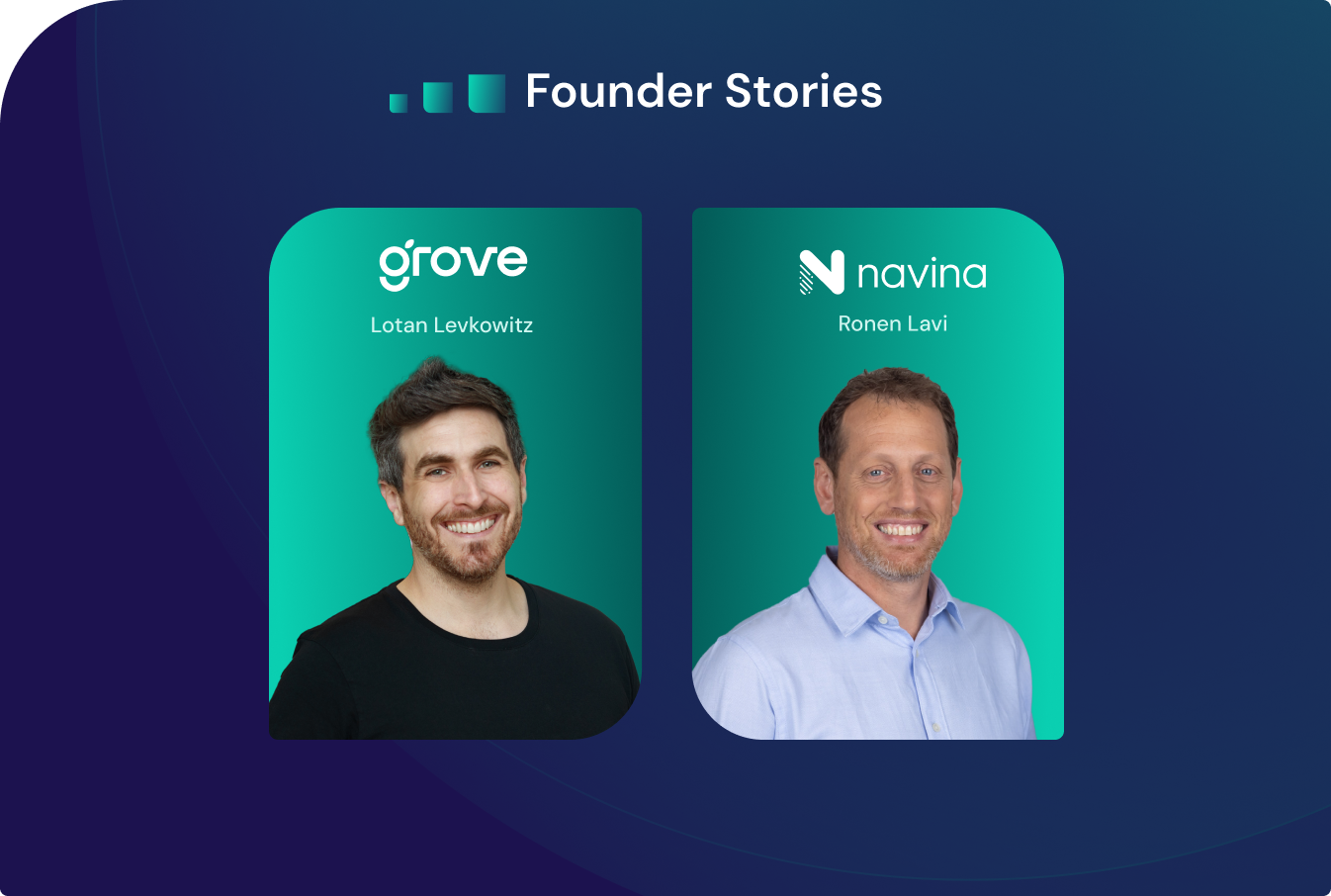
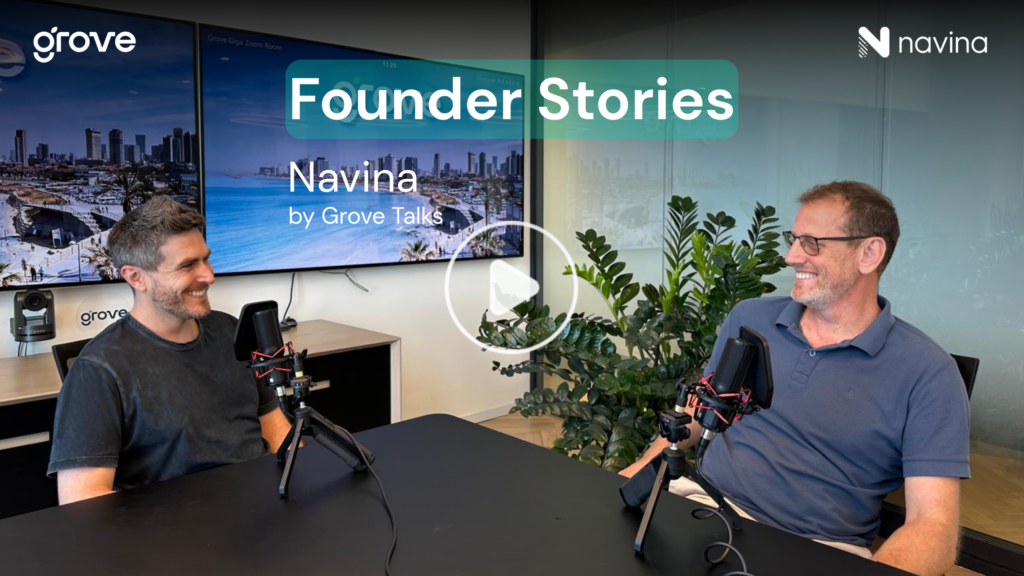
A Grove Talk with Ronen Lavi, co-founder of Navina, and Lotan Levkowitz.
Back in 2014, before the word was on every pitch deck, Ronen Lavi was standing up an AI unit inside Israeli military intelligence. Founding a company had always been his dream, but when he left the army he knew one thing for certain: it would not be in cyber.
Today Navina has raised more than $100 million, it reaches thousands of clinics, tens of thousands of physicians, and the records of millions of patients. Lavi wanted a second career he could feel, and he was convinced AI was the technology that could genuinely help people rather than just protect machines.
Watch the video here or listen on Spotify.
Ronen wanted to see how he actually changed people’s lives.
He had stayed in uniform for years precisely because the work mattered and he wanted to make an impact. When he began thinking about what to build next, he wanted that same sense of purpose. Another cyber company, he jokes, was not the answer. He was looking for a field where technology could have a more direct effect on people’s lives and healthcare was where he believed he could make the biggest difference.
The industry’s slowness, so often treated as a curse, doubled as a moat. Break in, and you become genuinely hard to replace; build a trusted brand, and you can suddenly move fast. Lotan offers a pattern Grove has watched play out repeatedly: the founders who cross from one field into another tend to travel furthest, because they illuminate an industry in a way it hasn’t seen before.
Ronen describes it as a structured process, not a lightning strike.
The search first took him and Shay Perera, his co-founder and Navina’s CTO, into strange rooms: petrochemical plants, oil-exploration firms, European energy companies, even agriculture. What they were really doing was hunting for a problem they could take apart at its philosophical core and rebuild. This was also where Grove came in early, working alongside them on the ideation itself and opening doors, long before any talk of investment size.
Healthcare kept winning the argument. The data was exploding and nobody could turn it into better care. Two truths surfaced again and again: a doctor never really knows a patient well enough and countless broken processes could run far better.
One rule shaped everything after. Before you reach for the AI, make sure the “I” works. If a human doing the task by hand creates no value, the software never will.
Name your blind spots honestly, then hire the people who erase them.
Neither founder was a doctor, so a doctor came first. Neither had ever sold anything, so a business partner who could grow with them came second.
Where they started mattered just as much. Rather than chase a flagship hospital, Navina began with small and mid-sized clinics that cleared privacy and security fast and opened their books. It was the slower, less glamorous entry point, and exactly the one that let them build something repeatable they could scale from the bottom of the market up.
Ronen shared that the scariest stretch came right when things looked their best.
Revenues had climbed into double digits and a strong round had closed. Then the market shifted, trajectories bent in ways the plan hadn’t assumed, and the growth Navina had penciled in no longer arrived on schedule.
For Ronen, the hardest part was personal. He and Shay, his co-founder, hold themselves to very high standards, and a moment like that tests a founder’s nerve more than any board meeting does. His lesson from it is one he keeps close: precisely when you are growing fast and winning, hold onto humility and a little of the paranoia every founder carries. Never forget it.
What never moved, he says, was the belief underneath: stay a little naive, stay optimistic, love what you do. Passion wins.
The full episode goes deeper into how Navina keeps its culture human and contagious as it scales, and what Ronen would tell himself in 2018. He also gets honest about what the LLM revolution demands of a company already at scale, and why being inside the doctor’s daily workflow changes what comes next.
Explore more Founder Stories →