Explore Founder OS: AI tools to help you build faster
Founder OS Founder OS


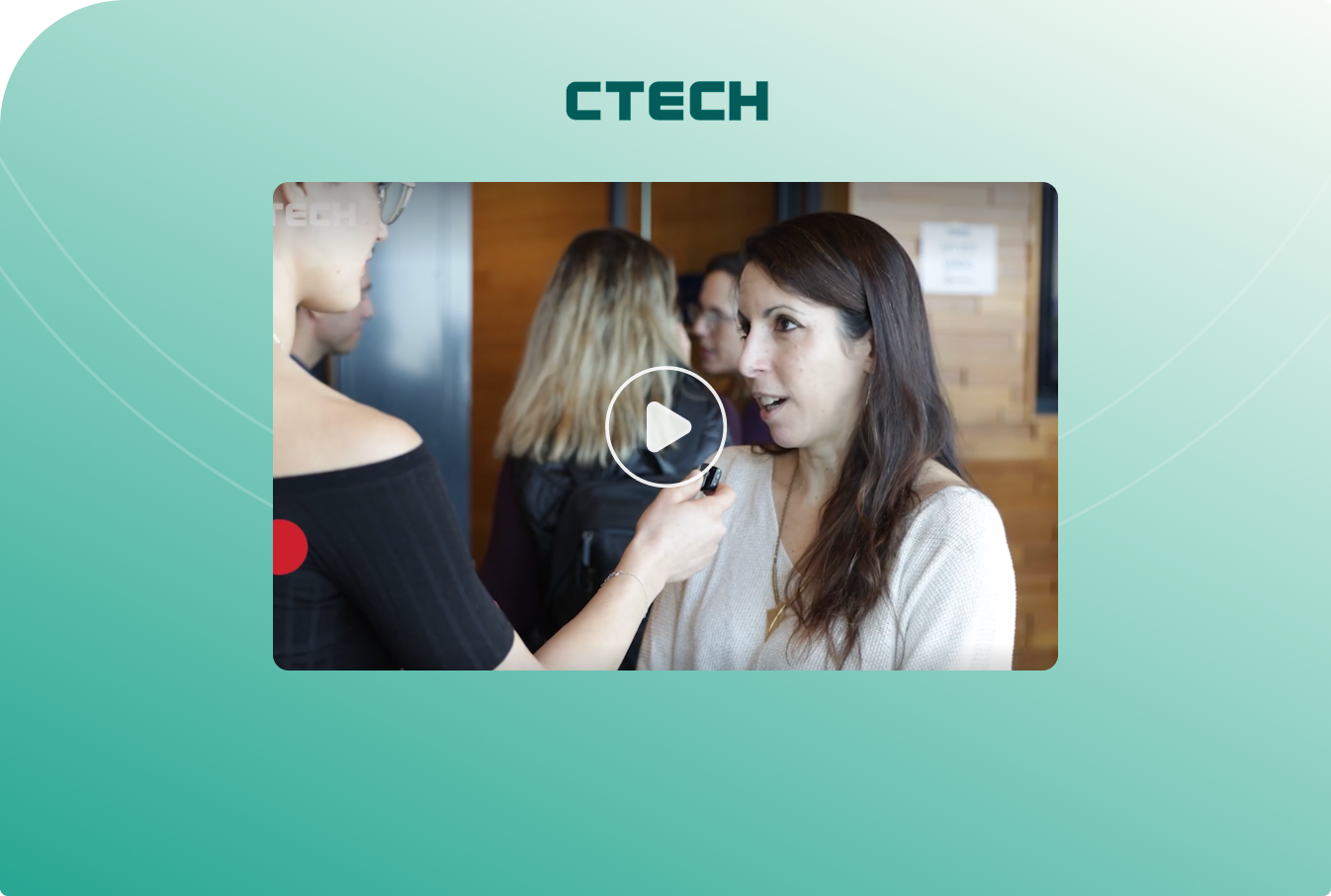
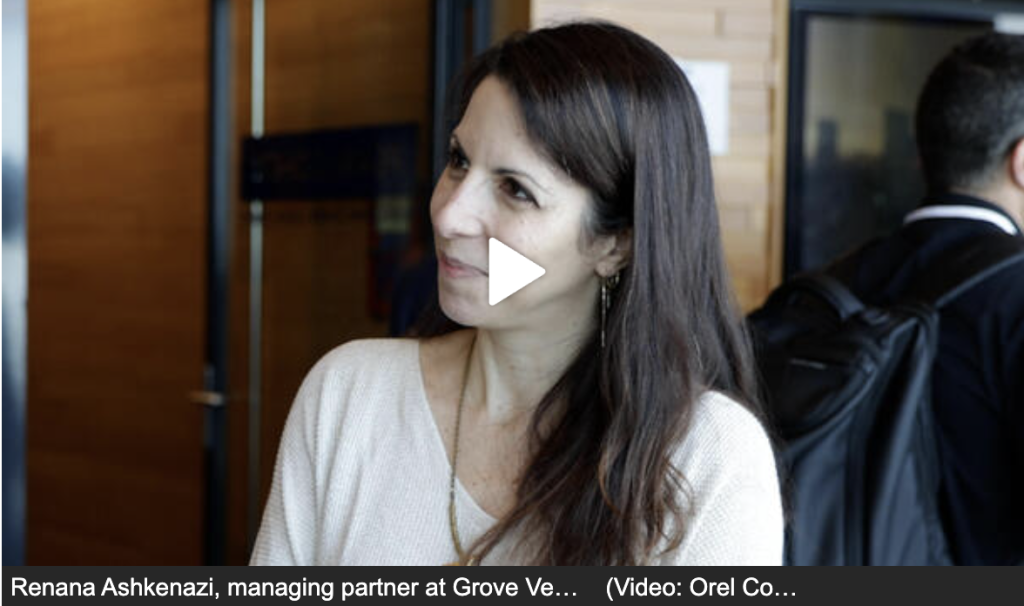
In a recent CTech VC Survey, Renana Ashkenazi spoke about a shift in where value is emerging in AI – from models to the infrastructure powering them.
Why is the “AI Body” becoming a major opportunity?
While most attention is focused on AI models, Ashkenazi points to a growing gap in compute and energy infrastructure.
“Everyone is obsessed with the ‘AI Brain’… but there’s a massive undervalued opportunity in the ‘AI Body.’”
The current power grid is not built to support the scale of AI demand, and startups addressing this bottleneck are increasingly attracting global Tier-1 investors.
What will define successful exits in 2026?
The IPO window is reopening, but the bar is significantly higher. Companies now need around $300M ARR and profitability, compared to $100M in the past.
As a result, only a small number of Israeli companies meet the threshold, and many are still expected to pursue M&A as the primary path to liquidity.
What metric will drive premium valuations?
Efficient growth is becoming the key metric – not just how fast companies grow, but how sustainably they do so. Investors are focusing on whether growth compounds without increasing burn, and in AI specifically, whether model and inference costs improve or deteriorate with scale.
The Agentic Leap – Where will AI agents be adopted first?
Adoption will begin in areas where mistakes are tolerable and reversible, and ROI is immediate – such as logistics, supply chains, and developer tools. In contrast, high-stakes domains like healthcare will adopt agents more cautiously, starting with administrative workflows rather than clinical decision-making.
Which industries are next to be disrupted by defense technologies?
Construction is emerging as a leading candidate. With complex, safety-critical environments and labor shortages, it mirrors many characteristics of defense settings.
Technologies like drone swarms, originally developed for military use, are already being adapted for real-time construction site inspection.
Read the full article here.