Explore Founder OS: AI tools to help you build faster
Founder OS Founder OS


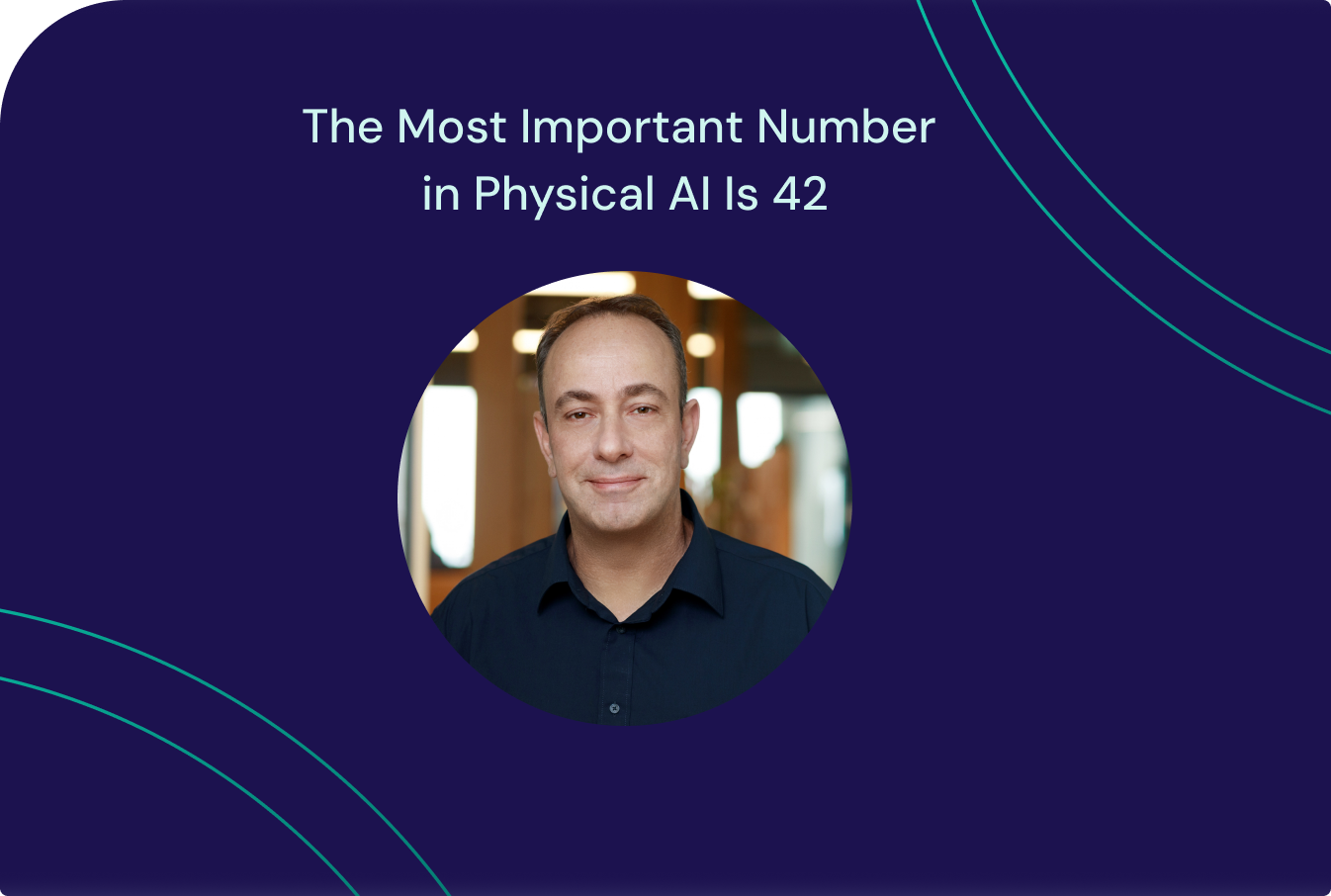
Artificial intelligence is stepping out of the screen and into the real world. In his latest article on CTech, Lior Handelsman breaks down the rise of Physical AI – AI that interacts with, navigates, and transforms our physical environments. This new frontier is already impacting defense, healthcare, logistics, and manufacturing. For Israel, investing in this wave of innovation could shape not just its military edge, but also its economic and industrial leadership on a global scale.
Physical AI refers to intelligent systems that act in the real world – like drones, robots, and autonomous machines – rather than remaining behind screens. These systems use sensors (cameras, radar, microphones), process real-time data, and make decisions on the spot. With recent advances in hardware and algorithms, Physical AI is rapidly becoming viable and widespread.
The current war with Iran and rising regional threats underscore the need for technological superiority. Physical AI offers real-time battlefield advantages:
Yes, and significantly. Just like GPS and electro-optics before it, military-developed Physical AI is expected to spill into civilian sectors. We’re already seeing crossover into:
The key lies in the data layer. While digital AI benefits from readily available datasets (e.g., text, images, code), Physical AI must learn from noisy, contextual, and system-specific data, like sensor readings, engineering logs, and machine behaviors. Every environment is different, and that makes the learning process harder, but also more defensible and unique.
Several innovative companies are pushing the frontier, including:
This is more than just another tech trend. It’s a fundamental shift in how we build, operate, and secure both digital and physical systems. According to Precedence Research, the Physical AI market could reach $210 billion by 2034. NVIDIA CEO Jensen Huang calls this an industrial revolution worth “tens of trillions of dollars.”
“The thread connecting systems on the battlefield and those on the factory floor is clear: both require artificial intelligence that not only thinks – but also acts.” — Lior Handelsman