Explore Founder OS: AI tools to help you build faster
Founder OS Founder OS



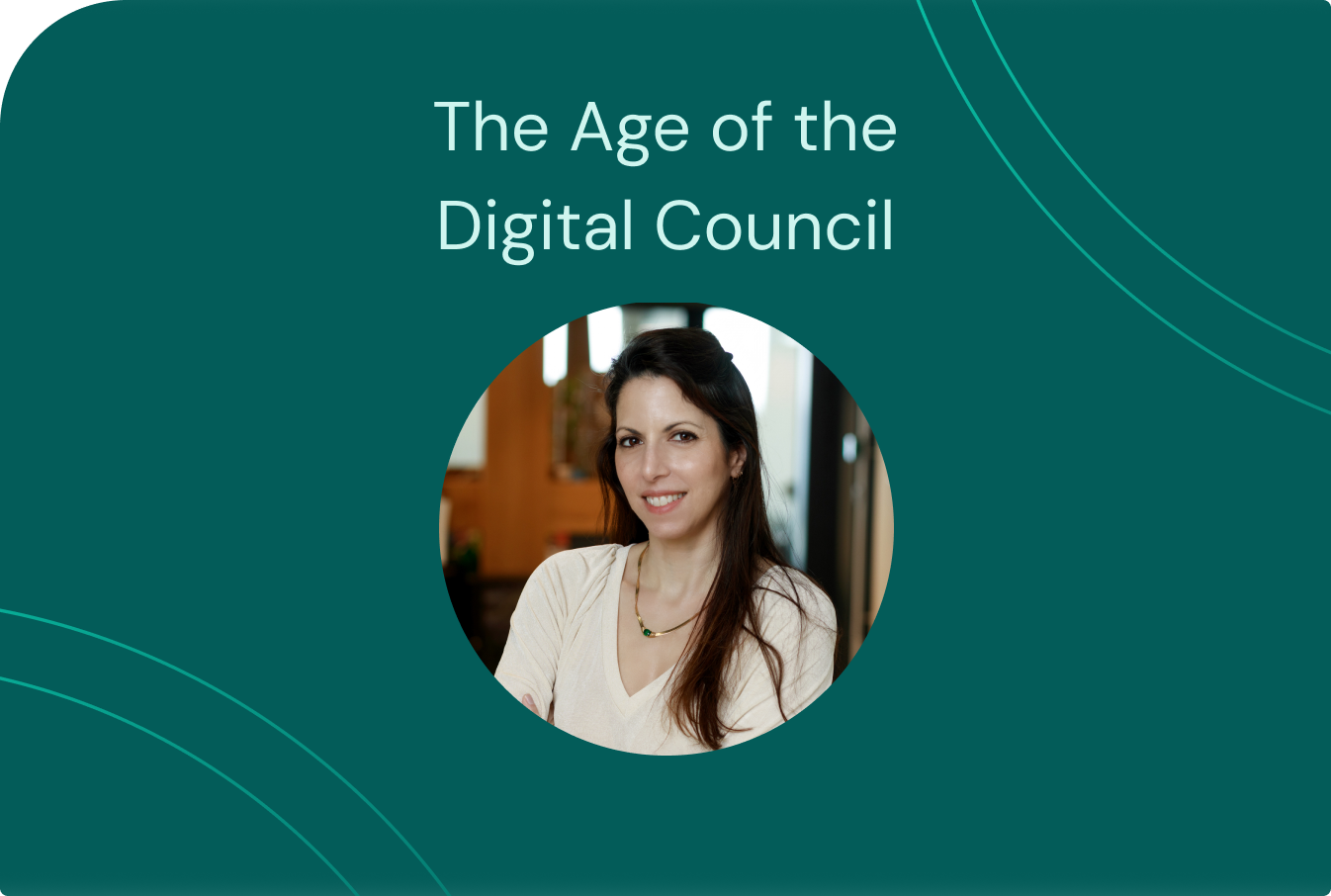
By Renana Ashkenazi


By Renana Ashkenazi
Genetic testing is one of the most interesting and powerful intersections between bioscience and technology, where advancements in the cost and speed of genome sequencing is fueling our understanding of how the 0.1% difference in our genome impacts our risks for diseases.
‘Prevention is better than cure’, has long been a fundamental principle of modern healthcare. But to be able to prevent diseases and medical conditions from occurring in the first place, we need to be able to predict them, or the risk of their occurrence, way before they manifest themselves. It’s easier to identify heart disease, high sugar levels, BMI problems, a dangerous cholesterol level and other conditions when the body starts showing worrying signs. But what if we didn’t have to wait? What if the signs that we are likely to develop a certain condition were always there? This, in a nutshell, is the essence of a new era of genetic screening; the understanding that encoded in our DNA is all the information we need to tell us how susceptible we are to certain diseases and enables us to act at a much earlier stage in our lives.
Let’s start with the basics: the Genome is our complete set of genes which contain the instructions of how to make proteins — the molecules that perform all functions that keep an organism alive. Gene sequencing is determining the order in which the molecules (nucleic acids) that comprise the genome appear. This order will determine our eye color, the clarity or sharpness of our vision, our height, our chances of developing certain diseases, our athletic abilities (read this if you are a mediocre basketball player, there might be a good reason for it) and even our intelligence level. Funny enough, all human beings are 99.9% identical in their genetic makeup. But the variations in that 0.1% of the genome can account for large consequences, from the way we look to the diseases that we might be susceptible to.
Genetic testing was widely introduced first in the 1950s when scientists discovered that an additional copy of chromosome 21 causes Down syndrome. As research advanced scientist continues to discover specific genes associated with specific diseases: You don’t have to be an Angeline Jolie fan to have heard about BRCA1 (1990) and BRCA2 (1995), perhaps the most infamous “disease genes”, responsible for breast cancer. There are several tens of ‘monogenic diseases’ that are caused by a single gene mutation. Genetic tests have been in use for over a decade to determine risk for such diseases, but a big shift is occurring in medicine and public health: as knowledge of how our genetics influences our risk for disease has evolved, we now know that millions of small changes in our genes, each individually has a tiny effect if any, combine to influence our disease risk profile. This understanding, combined with powerful statistical methods and huge datasets has brought to life what is now known as The Polygenic Risk Score: a mean to quantify the risk of a broad range of common diseases (polygenic diseases).
In an a16z podcast, Dr. Peter Donnelly, Professor of Statistical Science at the University of Oxford and Co-Founder and CEO of Genomics PLC, said that for some diseases, genetics is the whole story — if you’ve inherited a mutation, you’ll definitely be sick (CF and Huntington, for example). For other diseases (basically all common chronic diseases as well as many types of cancer) other risk factors, such as environmental and lifestyle, can play a significant role. Many parts in our genome play into an individuals’ risk for those diseases, but in small ways — there isn’t a single gene that will cause heart diseases or for diabetes. It could be thousands (or more) of small modulations in our genome that may impact our risk for a particular disease.
While genetic testing has traditionally evolved around monogenic diseases, it is becoming clear that the place for genetic testing in common diseases could be pivotal; we know today that close to half of the risk for many common diseases is actually inherited.
In the old days of genetic testing, when an individual was identified with a potential risk for an inherited disease, he would typically do a targeted test that will reveal whether he does or does not carry a specific gene mutation. As science advances and correlation between genetic information and particular diseases is evolving, a person could theoretically have to go additional such tests. Sounds inefficient, right? More and more people are seeing the value in having their entire DNA sequenced. Direct-to-consumer genetic testing companies have already paved the way to the consumers hearts (and wallets): Thanks to the skyrocketing popularity of 23andMe, Ancestry, Color, Helix and others, genetic testing reached a tipping point in 2017 when the number of genetic tests performed more than doubled in one year. Many millions of users already had their DNA analyzed and the number continues to accelerate. According to ResearchAndMarkets, the genetic testing market is expected to reach $17.3B by 2026. As more data is being accumulated, new insights are being derived; but instead of being tested whenever a new mutation is discovered, we can now have our whole genome sequenced once and reanalyze it (as many times as you wish, using the same sample) as knowledge increases.
The Genomics industry includes thousands of startups and is one of the most active sectors for investors, with VCs investing over $6.5B in genomic deals between 2017–2020, with applications in gene sequencing, diagnostics, precision medicine & more. Here are a few notable startups operating the domain:
The shift in comprehension of health and disease prevention and therapy driven by technology advancements and their effects on genomics, continues to require exceptional entrepreneurship and innovation. Logistic, technical, societal, ethical and regulation challenges still need to be overcome for genomics to be implemented at large scale and move from science to real world impact on healthcare. We still need to generate (representative) massive amounts of data to be able to link genetic variations to outcomes in people and apply the right algorithms on that data to turn it into actionable insights. We need computers capable of handling those huge amounts of data. We need scalable counseling to help people make the right decisions regarding the application of their genetic tests: Ancestry, 23andMe and the likes are providing genetic data to millions of customers, but it would take years for each customer to make sense of his DNA data with a trained genetic counselor (with only 4,900 certified genetic counselors working in the U.S., approximately only 1 in 100,000 Americans has access to a clinical genetic counselor). We’ll need to deal with ethical questions (can we use prenatal screening to choose a baby’s eye color or height?), information gap questions (if I discover a mutation that is not treatable or curable, what do I do?) and more.
Don’t be discouraged, though. After decades in the lab, genomics is finally being used more routinely outside of the academic world, and it has the potential to transform public health: We can screen more effectively, identify patients at high risk of specific diseases and intervene at the earliest stages. It’s a win-win: better outcomes for patients and significant cost reduction to the spiraling costs of healthcare systems in the long term. The huge promise of bringing genetics mainstream is suggesting we are at the cusp of an era where we are finally ready to use genetic information to better prediction, stratification, and care — the genomic revolution is here to stay.